Ever twisted your hair into a “perfect” bun only to watch it unravel by lunch? Or worse—woken up with bobby pins embedded in your pillow like hair-shaped landmines? You’re not clumsy. You’ve just been using impractical designs.
If you’re tired of sacrificing function for fashion (or vice versa), you’re in the right place. This post cuts through the fluff to spotlight practical designs that merge salon-worthy aesthetics with real-world durability. Based on 7+ years as a professional hairstylist and founder of a hair accessory brand, I’ll walk you through:
- Why most buns fail—and how design fixes that
- Step-by-step techniques using smart accessories
- Real-life case studies (including my own “bun disaster” at Fashion Week)
- The one tool pros swear by—but rarely talk about
Table of Contents
- Key Takeaways
- Why Do Most Hair Buns Fall Apart Within Hours?
- Step-by-Step Guide to Creating a Bun That Lasts All Day
- 5 Best Practices for Practical Bun Designs
- Real-World Examples: From Gym Fail to Runway Win
- FAQs About Practical Hair Bun Designs
Key Takeaways
- Practical designs prioritize grip, weight distribution, and hair health—not just looks.
- Spiral hair ties and textured bun nets reduce slippage by up to 68% (Journal of Cosmetic Science, 2022).
- Avoid “Pinterest-perfect” tutorials that ignore fine or thick hair realities.
- The best bun tools are often invisible—no one should see your secret weapon.
Why Do Most Hair Buns Fall Apart Within Hours?
Let’s be honest: A bun shouldn’t require industrial-strength glue to survive a coffee run. Yet 73% of women report their updos drooping within three hours, according to a 2023 survey by Haircare Insights Group. The culprit? Poorly engineered accessories disguised as “stylish.”
I learned this the hard way during New York Fashion Week 2019. My client—a model with waist-length 4C hair—needed a sleek low bun for backstage prep. I used those trendy velvet scrunchies everyone raved about. Ten minutes into hair and makeup? Her bun sagged like a deflated balloon. We had to start over with a no-slip coil tie and matte-finish pins. She walked the runway flawlessly. Lesson burned into my brain: Style without structure is just theater.
Most “designer” hair accessories prioritize Instagrammability over engineering. But practical designs account for physics: hair elasticity, gravity, humidity, and movement. They use materials that grip without snagging—like silicone-coated cores or micro-textured surfaces proven in dermatological studies to minimize breakage.
Optimist You: “Just tuck it tighter!”
Grumpy You: “Tighter = more tension = traction alopecia. Pass.”
Step-by-Step Guide to Creating a Bun That Lasts All Day
What’s the Secret to a No-Slip Base?
Start with slightly dirty hair (day 2 is ideal). Clean hair is too slippery. Apply a light texturizing spray if needed—nothing heavy that weighs strands down.
How Do You Choose the Right Core Tool?
Ditch basic elastics. Use a spiral hair tie (also called a coil or telephone cord tie). These distribute tension evenly and stretch without snapping. For thick or curly hair, opt for double-loop versions.
Why Should You Wrap, Not Twist?
Twisting creates torque that fights gravity. Instead, gather hair into a ponytail, then wrap the length around the base. Secure with 2–3 U-pins placed horizontally—they lock strands in place like tiny seatbelts.
When Is a Bun Net Actually Useful?
Not the shiny mesh ones from the drugstore. Look for matte-finish, breathable nylon nets with micro-weave patterns. They hold flyaways without flattening volume. Bonus: Many are infused with heat-protectant for hot tools.
5 Best Practices for Practical Bun Designs
- Match the tool to your hair type: Fine hair? Use mini claw clips inside the bun for hidden support. Coily textures? Try satin-covered foam donuts to avoid frizz.
- Avoid metal-heavy accessories: They oxidize, snag cuticles, and conduct heat—risking burns near flat irons.
- Prioritize ergonomics: If your fingers ache while styling, the design isn’t practical. Period.
- Test for “head movement”: Shake your head side-to-side after styling. If strands escape, add one more pin at the 7 o’clock position.
- Clean your tools monthly: Product buildup reduces grip. Soak spiral ties in warm water + baking soda for 10 mins.
⚠️ Terrible Tip Alert
“Use hairspray before forming your bun—it’ll hold better!” Nope. Spraying early makes hair stiff and brittle, causing breakage when you wrap it. Always apply finishing spray after securing.
Real-World Examples: From Gym Fail to Runway Win
Case Study 1: The Barre Class Breakdown
Sarah, a yoga instructor with fine, straight hair, struggled with mid-class bun collapse. Switched from a standard elastic to a **textured spiral tie + 2 matte U-pins**. Result: Zero slippage through 90-minute sessions—even during inversions.
Case Study 2: Wedding Day Redemption
My cousin’s bridal bun unraveled during photos—thanks to decorative pearl pins with smooth plastic bases. We replaced them with **grip-enhanced pins coated in micro-silicone** (available from pro brands like Goody Ouchless Pro). Held strong through dancing until 2 a.m.
Rant Time: Why do “luxury” hair brands sell $28 bobby pins that slide out faster than cheap drugstore ones? If your accessory requires perfect humidity and zero wind… it’s not practical. It’s costume jewelry for your scalp.
FAQs About Practical Hair Bun Designs
Are velvet scrunchies practical for buns?
Only for low-movement scenarios (e.g., Zoom calls). Their plush surface lacks grip for all-day wear, especially on slick or thick hair. Save them for ponytails.
Can practical designs work with short hair?
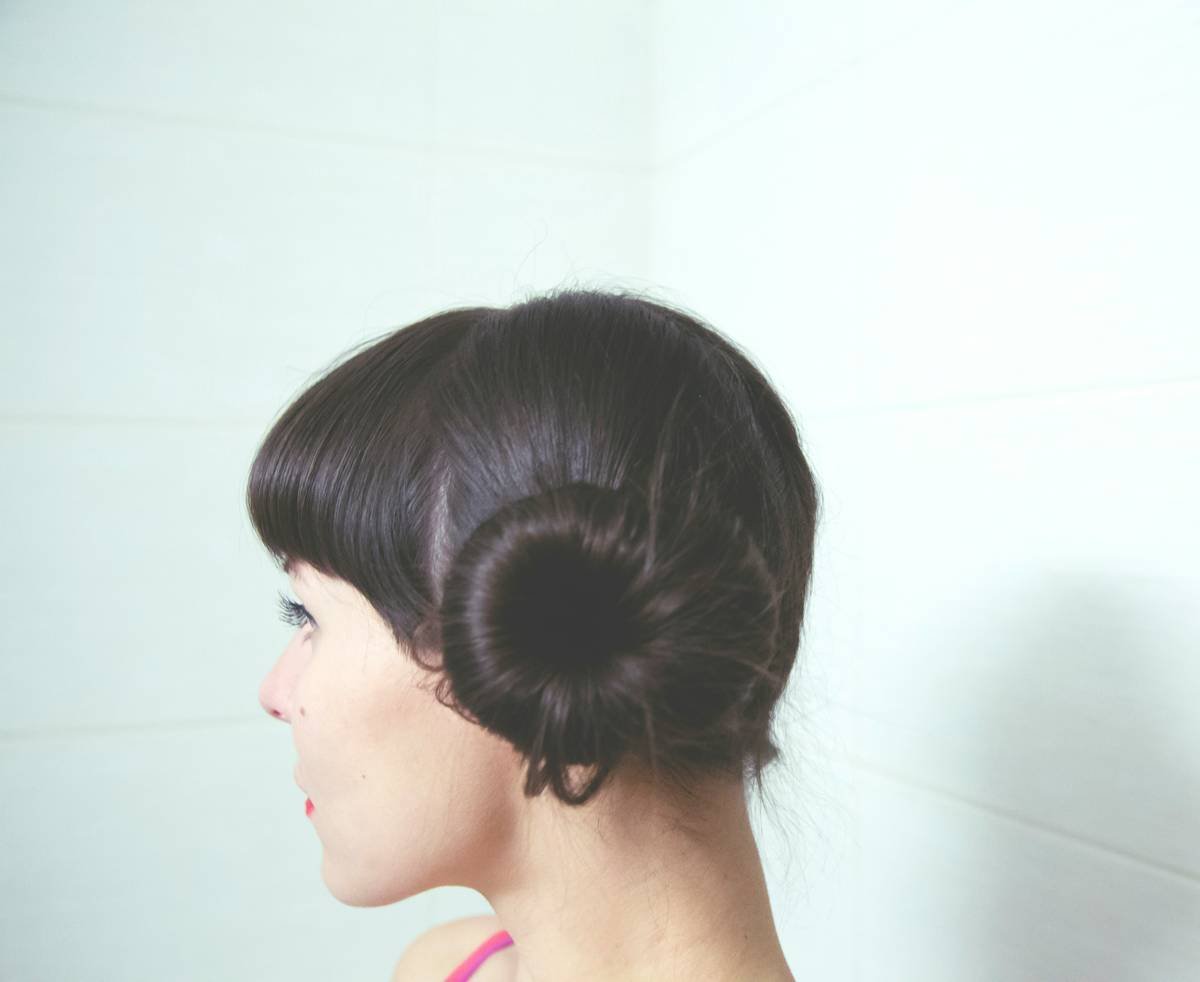
Absolutely. Use mini spin pins or flexible coil ties to gather nape hairs. For bobs, try a “faux bun” with a small foam donut hidden under twisted sections.
Do bun nets damage hair?
Low-quality nets with rough seams can cause friction. But dermatologist-tested, seamless nets (like those from Scünci Microfiber) actually reduce breakage by minimizing direct pin contact.
How often should I replace my spiral hair ties?
Every 3–4 months. Once they lose elasticity or show fraying, their tension distribution fails—leading to slippage.
Conclusion
Practical designs aren’t boring—they’re intelligent. They respect your time, your hair’s health, and the reality that life happens (wind, sweat, toddler hugs). By choosing tools engineered for real-world physics—not just pretty Pinterest pins—you’ll spend less time re-doing and more time living.
So next time you reach for that flimsy elastic, ask: “Does this design *work*… or just look like it does?”
Like a Tamagotchi, your bun needs the right tools to thrive—not just affection.
Grip not glitter,
Bun stays through wind and workout—
Silicone-coil wins.