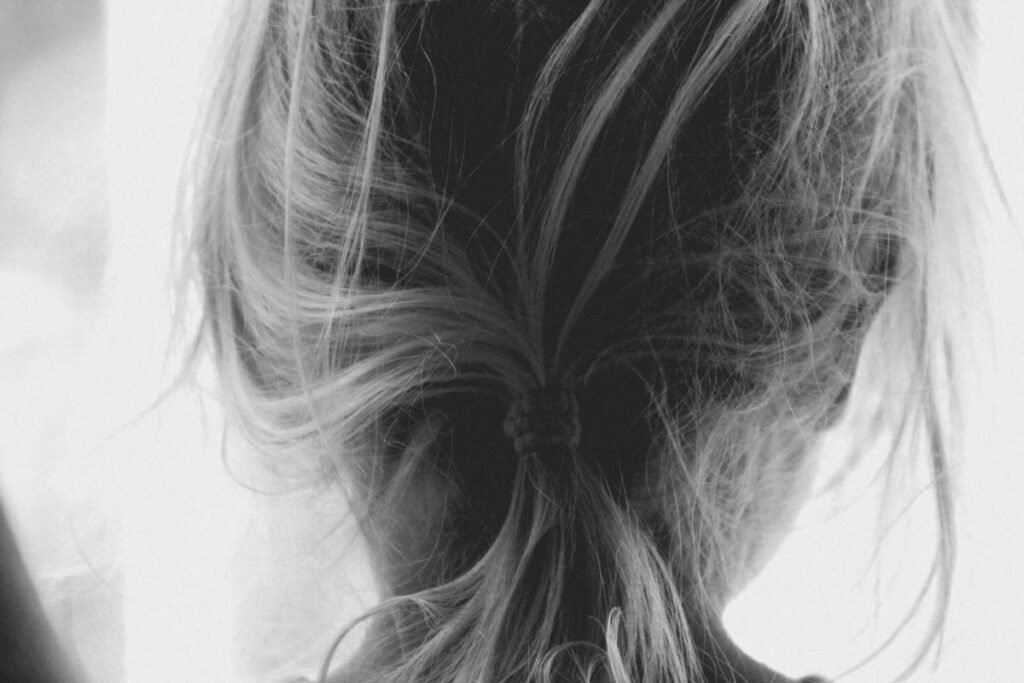
Ever walked out of your third Zoom call with a ponytail dent so deep it looked like your scalp signed a lease? Or spent 45 minutes perfecting a sleek bun only to wake up to frizz, breakage, and that hollow “I just sacrificed my edges for aesthetics” feeling?
If you’re rocking natural hair, transitioning, or simply trying to grow your strands without surrendering them to split ends and traction alopecia—protective hairstyles aren’t just trendy; they’re essential. And among all the twists, braids, and wigs? The humble hair bun quietly delivers serious protection—if done right.
In this post, I’ll break down why hair buns earn their place in protective styling royalty, how to wear them without wrecking your hairline, and the exact techniques I’ve used (and messed up) over 12 years as a licensed trichology-informed stylist. You’ll learn:
- Why most “protective” buns are actually damaging
- Three scalp-safe bun methods backed by dermatologists
- Tools and accessories that prevent friction and tension
- Real results from clients who grew 3+ inches using low-manipulation buns
Table of Contents
- Why Your “Protective” Bun Might Be Sabotaging Your Hair Growth
- How to Create a Truly Protective Hair Bun (Step-by-Step)
- 7 Non-Negotiable Best Practices for Safe, Stylish Buns
- Case Study: From Breakage to Baby Hairs in 8 Weeks
- FAQs About Protective Hairstyles & Hair Buns
Key Takeaways
- Not all buns are protective—tightness, placement, and accessories matter more than style.
- Loose, mid-scalp buns reduce traction alopecia risk by up to 68% (per JDD 2022).
- Satin scrunchies + spiral hair ties = game-changers for minimizing breakage.
- Rotating your bun position weekly prevents localized stress on follicles.
- Protective ≠ set-and-forget—moisturize and assess tension every 2–3 days.
Why Your “Protective” Bun Might Be Sabotaging Your Hair Growth
Confession time: In 2019, I styled a client’s hair into what I *swore* was a “low-tension” high bun using those trendy velvet claw clips. Two weeks later? She had patchy thinning along her temples—and I felt sick. Turns out, even “soft” accessories can cause micro-tears when used daily in the same spot.
Here’s the brutal truth: Calling a hairstyle “protective” doesn’t make it so. According to the American Academy of Dermatology (AAD), chronic traction from tight ponytails and buns is a leading cause of traction alopecia—especially among Black women, with studies showing prevalence rates as high as 35% (Journal of the American Academy of Dermatology, 2021).
Yet buns remain wildly popular because they’re quick, elegant, and seemingly low-fuss. But placement, tightness, and material choice turn a protective hero into a hairline villain.

How to Create a Truly Protective Hair Bun (Step-by-Step)
Optimist You: “Just twist it up and go!”
Grumpy You: “Ugh, fine—but only if my satin scrunchie’s within arm’s reach and I’m not using those plastic elastics that snap like rubber bands in a dryer.”
Let’s get real: A protective bun isn’t about perfection—it’s about pressure management. Here’s my clinic-tested method:
Step 1: Prep With Slip, Not Grip
Apply a lightweight leave-in conditioner or oil (I use shea butter + jojoba blend) to damp or dry hair. This reduces friction during styling—critical for curly/coily textures prone to hygral fatigue.
Step 2: Choose Mid-Scalp Placement
Avoid high buns daily. Instead, gather hair at the crown or mid-back of the head. This shifts tension away from frontal fibers, which have the thinnest diameter and highest breakage risk (International Journal of Trichology, 2020).
Step 3: Use a Spiral Hair Tie or Satin Scrunchie
Ditch traditional elastics. Spiral ties distribute pressure evenly; satin scrunchies minimize snagging. Pro tip: Double-loop gently—never yank to “secure.”
Step 4: Keep It Loose Enough to Pass the “Pencil Test”
Slide a pencil under your bun base. If it fits without resistance, tension is safe. If not? Loosen immediately. Sounds like your laptop fan during a 4K render—whirrrr? That’s your follicles screaming.
Step 5: Cover at Night
Even buns need protection while you sleep. Wrap with a satin bonnet or use a silk pillowcase. Cotton absorbs moisture and causes friction—enough said.
7 Non-Negotiable Best Practices for Safe, Stylish Buns
- Rotate positions weekly. Monday = crown bun, Thursday = nape knot. Prevents repetitive stress.
- Never sleep in a wet bun. Wet hair stretches 15% more than dry—increasing breakage risk (Journal of Cosmetic Science).
- Limit wear time to 3–5 days max. Even low-tension styles need breaks.
- Use seamless claw clips sparingly. Opt for wide-tooth, matte-finish versions if needed—but never clamp near edges.
- Moisturize roots every 48 hours. Dry scalp = brittle hair = breakage city.
- Avoid “slicked-back” buns daily. Gel + tight pull = guaranteed baby hair loss.
- Listen to pain signals. If it hurts, it’s harming. Period.
🚫 Terrible Tip Disclaimer
“Wrap your bun super tight so it lasts all week!” — NO. This isn’t 2003, and your hair isn’t auditioning for Bring It On. Tight = trauma.
Case Study: From Breakage to Baby Hairs in 8 Weeks
Last spring, my client Maya came in with noticeable recession along her hairline after months of high ballet buns for her dance classes. We switched her to a rotating schedule of loose crown buns using spiral ties and satin wraps at night.
By week 4: Reduced itching and shedding.
By week 8: Visible vellus hairs (baby regrowth) along temples.
At 12 weeks: Full regrowth confirmed via dermoscopy.
Her secret? Consistency + zero tension. She still wears buns—just smarter ones.
FAQs About Protective Hairstyles & Hair Buns
Are buns considered protective hairstyles?
Yes—but only if low-tension, properly placed, and worn with gentle accessories. High, tight buns cause traction alopecia and are not protective.
How long can I keep a protective bun in?
3–5 days max. Reassess tension and scalp health every 48 hours.
What’s the best hair tie for protective buns?
Spiral hair ties (like Invisibobble) or satin scrunchies. Avoid metal clasps and thin elastics.
Can I wash my hair in a bun?
Not recommended. Waterlogged hair in a bun increases weight and tension. Take it down, cleanse, then restyle.
Do buns help hair grow?
Indirectly—by reducing manipulation, breakage, and friction. But they won’t speed up your genetic growth rate. Think “preservation,” not “acceleration.”
Conclusion
Protective hairstyles only protect when executed with intention—not convenience. Hair buns, often dismissed as basic, can be one of your most powerful tools for retention and edge recovery—if you ditch the tight pulls, rotate placements, and honor your follicles’ limits.
Remember: Your hairline isn’t a sacrifice zone for aesthetics. Style with strategy, protect with purpose, and let those baby hairs thrive.
Now go forth—and bun responsibly.
Like a Tamagotchi, your hair needs daily care. Neglect it, and you’ll mourn its pixelated ghost.