You spend 20 minutes twisting, tucking, and pinning—only to watch your bun collapse by lunchtime. Frizz sneaks out. Pins vanish. The mirror shows chaos, not chic. Classic bun updos should be effortless, polished, and secure. Yet most tutorials skip the one thing that makes or breaks them: structure over style.
Why Your Classic Bun Updos Keep Failing
Most guides treat buns like fashion accessories—focus on gloss and shape, ignore physics. Hair moves. Gravity pulls. Sweat, humidity, and even a breeze exploit weak foundations. And if you’re using those flimsy spiral hair donuts? You’ve already lost.
The truth? A lasting classic bun updo isn’t about how many pins you use—it’s about where you anchor tension. Skip this, and you’re just wrapping hair around empty space.
How to Build a Classic Bun Updo That Lasts All Day
Forget “just twist and go.” Real longevity comes from strategic layering. Here’s the only sequence you need:
Prep with Purpose—not Product Overload
Start with second-day hair. Freshly washed strands slip too easily. Light texture spray > heavy mousse. You want grip, not glue.
Section for Strength
Don’t gather everything at once. Create a tight base ponytail at your crown for high buns, nape for low ones. Then—this is key—lightly backcomb the underside of that ponytail. Just two strokes. This builds internal scaffolding.
Wrap Smart, Not Tight
Twist your ponytail loosely, then coil it around the base. Pulling too hard stretches roots and creates gaps as hair relaxes. Let the twist do the work.

Pin Like a Pro (Not a Pinterest Amateur)
Use U-shaped pins—not bobby pins—for serious hold. Insert them vertically into the bun’s core, not horizontally across the surface. They lock layers together from within.
| Method | Hold Duration | Ideal Hair Type | Time Required |
|---|---|---|---|
| Spiral Donut + Bobby Pins | 2–4 hours | Fine, straight | 5 mins |
| Textured Base + U-Pins | 8+ hours | All types (even thick/coily) | 7 mins |
| Gel-Set Twist Wrap | 12+ hours | Curls, coils, waves | 10 mins (plus dry time) |
The Industry Secret: Buns Are Architecture, Not Accessories
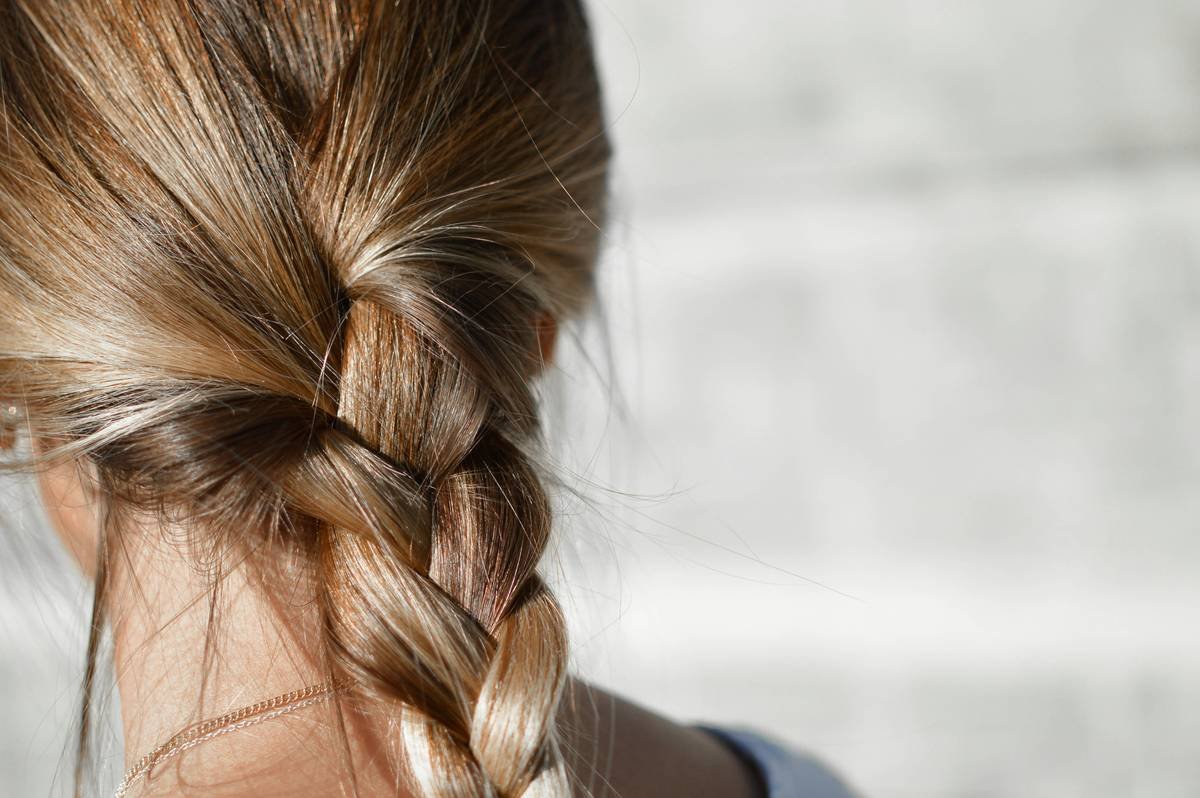
Here’s what salon stylists won’t tell you: the perfect bun isn’t smooth—it’s layered. Think of it like brickwork. Each hair section must interlock. That slight unevenness underneath? That’s your anchor. The outer wrap just needs to look seamless.
And—contrary to popular belief—shiny products ruin longevity. Shine reflects light but also attracts moisture. Matte finishing spray? Now you’re talking. One spritz before pinning adds microscopic friction that grips without stiffness.
Frequently Asked Questions
How do I keep my classic bun updo from slipping?
Anchor with U-pins inserted vertically into the bun’s core, not flat against the scalp. Pre-texturize hair the night before.
Can I do a classic bun with short hair?
Yes—if you have 4+ inches. Use a small donut or twist tightly and pin ends under. Focus on neatness over volume.
What’s the difference between a chignon and a classic bun updo?
A chignon is a specific type of low, rolled bun often secured with hidden pins. Classic bun updos include any circular coiled style—high, low, messy, or sleek.