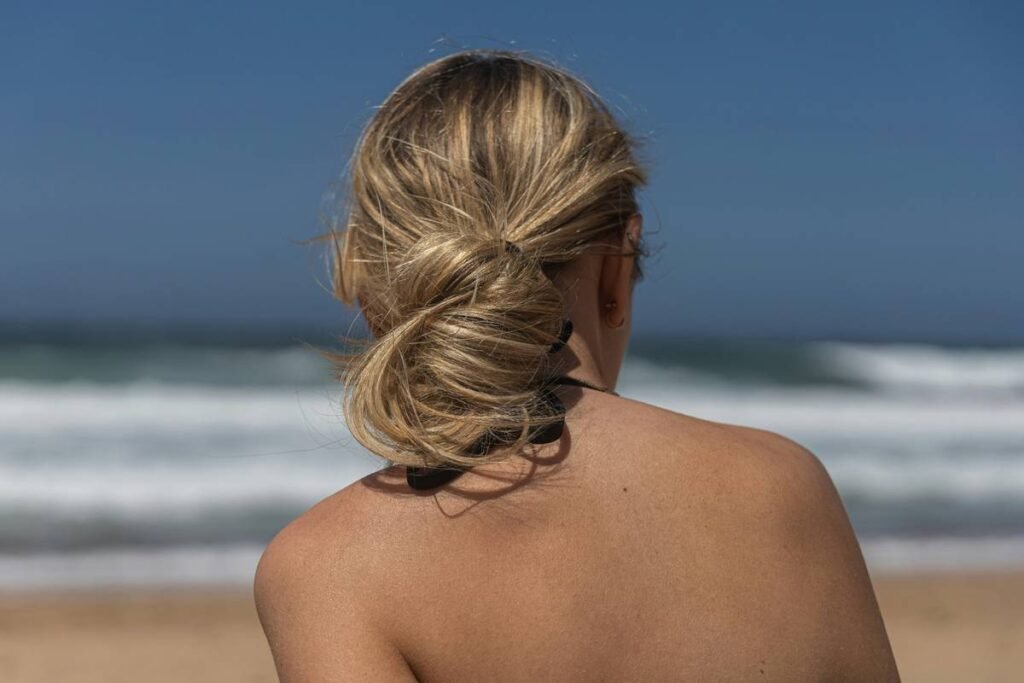
Most “elegant” buns look polished in photos but unravel by lunchtime. You twist, pin, spray—and still end up with flyaways and sagging spirals. The problem isn’t your skill. It’s that traditional methods ignore one brutal truth: hair moves. The solution? Refined hair bun styles built not just for beauty—but for real life.
Why Classic Buns Collapse (And What Actually Works)
You’ve probably used the standard donut bun maker or wrapped hair around two fingers. It looks chic—until gravity and humidity say otherwise. And most tutorials skip the root cause: tension distribution. A tight base with loose mid-lengths creates stress points. Hair snaps. Pins slip. The bun breathes its last by 3 p.m.
Refined hair bun styles solve this by redistributing tension evenly—from roots to tip wrap. No single anchor point bears all the weight. That’s engineering, not luck.
How to Create Refined Hair Bun Styles That Last All Day
Forget perfectionism. Aim for controlled looseness with structural integrity. Here’s how:
Select Your Base Technique
Low on time? Use a coiled wire frame (not foam). Got 10 minutes? Twist-and-loop method wins for natural movement. Thick hair? Double-wrap. Fine hair? Skip backcombing—it frays faster than you think.
Prep Like a Pro—Not an Influencer
Skip heavy gels. They dry brittle and flake. Instead, mist damp ends with a light salt spray—just enough to add grip without crunch. Then run a boar-bristle brush through the ponytail. It aligns cuticles so strands lie flat when coiled.
Secure Without Sacrificing Softness
Pins go in at 45-degree angles—never straight down. And use U-pins, not bobby pins. They hold 3x more hair per insertion. Hide them beneath outer loops, not through the center core. That’s where breakage starts.

| Method | Hold Duration | Best Hair Type | Effort Level |
|---|---|---|---|
| Wire Frame Wrap | 8–12 hours | Medium to thick | Low |
| Twist-and-Loop | 6–10 hours | All types | Medium |
| Knotless Coil | 4–7 hours | Fine or fragile | High |
The Industry Secret: Buns Are Architecture, Not Art
Here’s what salon stylists won’t tell you—they rarely create “perfect” buns. They build micro-scaffolds. One senior session stylist confessed: “I leave 10% intentional looseness at the crown. It absorbs motion from walking, talking, turning. A rigid bun cracks. A breathing one bends.”
Think of it like suspension bridges—not stone arches. Flexibility equals longevity. That slight imperfection? It’s not a flaw. It’s functional design.

Frequently Asked Questions
Can refined hair bun styles work on short hair?
Yes—if you have at least 6 inches at the nape. Use a mini wire frame and tuck ends inward. Secure with crisscrossed U-pins.
How do I stop my bun from flattening?
Don’t smooth every strand. Leave 2–3 face-framing pieces loose. Their weight counterbalances the bun’s downward pull.
Are silk scrunchies better for refined buns?
Only if you’re using them for the initial ponytail. Once coiled, switch to metal pins. Silk slips under tension; steel grips.