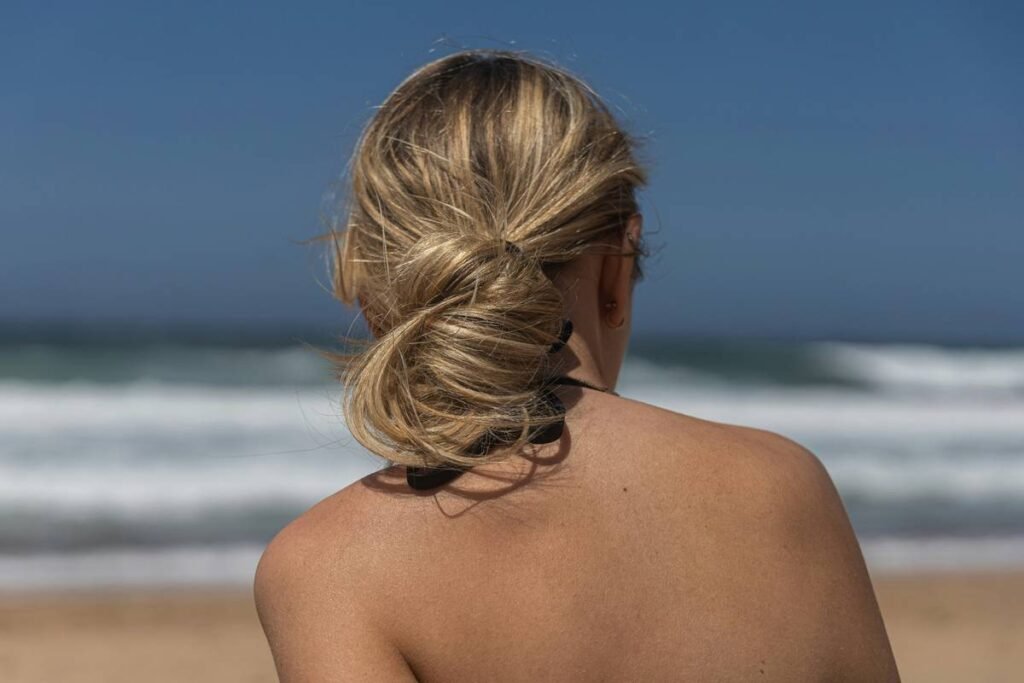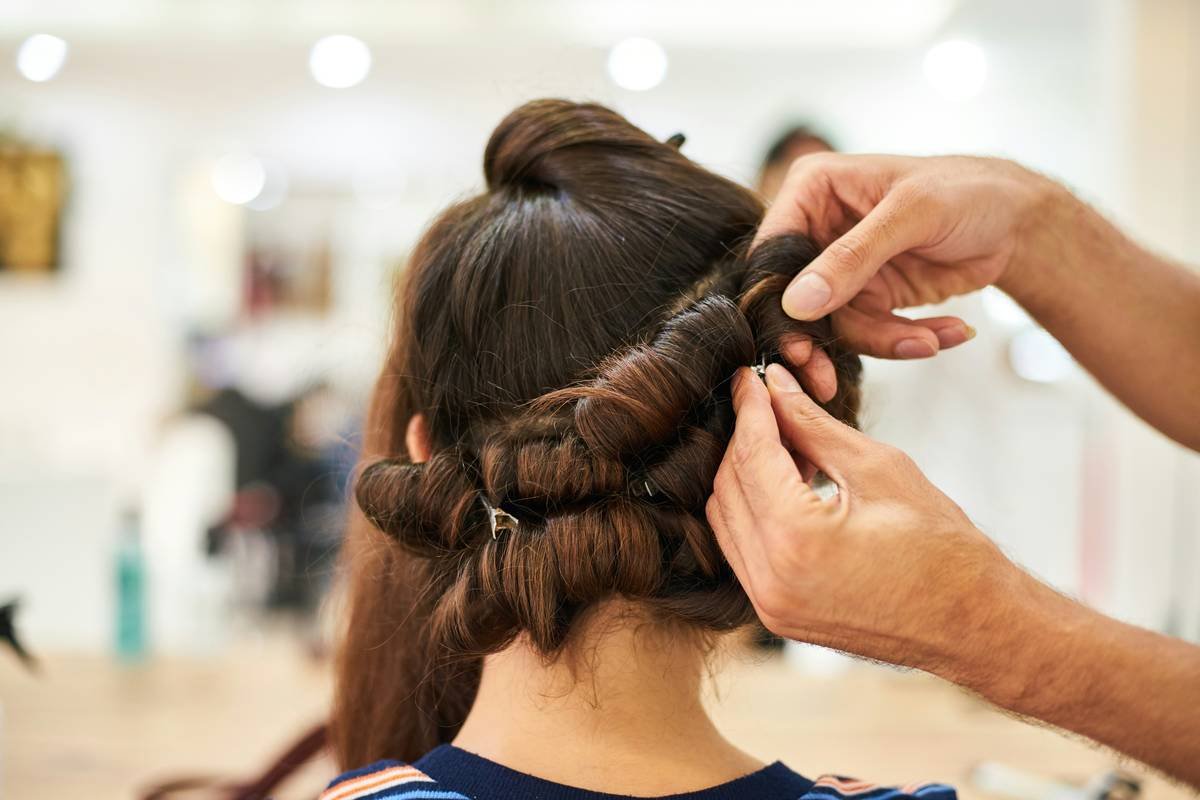
You overslept. Again. Your hair’s flat, frizzy, or still damp from last night’s rushed shower. And now you’ve got a job interview, school drop-off, or Zoom call in 12 minutes. Panic sets in—because every “quick bun” tutorial online either collapses by noon or needs five obscure tools you don’t own. There’s a better way. Forget perfection. Embrace function. With one technique, zero fancy products, and under a minute, you can secure an easy updo buns look that survives wind, errands, and toddler hugs.
Why Most “Quick Buns” Fall Apart Before Lunch
Most tutorials assume your hair has studio lighting, zero humidity, and behaves like mannequin strands. Real life? Not so much.
The standard twist-and-pin method fails because it ignores tension distribution. You anchor only at the crown—so gravity yanks the weight downward until the bun sags into a sad ponytail by 10 a.m.
And those doughnut-shaped donut buns? They’re volume illusions with zero grip. Wind hits them—and poof—they spin like a lazy Susan on your head.
Build Your easy updo buns in 4 No-Fail Steps
This isn’t about looking runway-ready. It’s about creating structural integrity with what you’ve got—fingers, a basic elastic, and maybe two bobby pins.
Step 1: Prep Without Product
Damp or dry—doesn’t matter. Skip sprays or gels. They add slip, not hold. Flip your head forward. Gather hair at your natural crown point—not too high (circus clown), not too low (mom bun). Use your knuckles as a guide: base should align with the top of your ears.
Step 2: The Double-Loop Anchor
Here’s where everyone cheats—and fails. After your first loop around the elastic, stop. Don’t pull all the way through. Leave a 3-inch tail. Wrap the main section around once more—but tuck that tail underneath as you go. This creates internal counter-tension. Think of it like a seatbelt locking under pressure.

Step 3: Secure Strategically—Not Symmetrically
Two pins. That’s it. Insert one diagonally downward near your temple—angled toward your skull’s curve. The second goes opposite, but higher, near the bun’s apex. Crisscrossing pins mimic how tree roots grip soil: uneven but unshakable.
Step 4: Fluff Only Where Needed
Tease the front fringe or sides—never the bun base. Volume there invites collapse. Instead, gently pull a few face-framing pieces loose. Instant softness. Zero structural risk.
| Method | Time Required | Hold Duration | Tools Needed |
|---|---|---|---|
| Classic Twist Bun | 45 sec | 1–2 hours | Elastic only |
| Donut Bun | 2 min | 3–4 hours (if dry) | Donut form + elastic |
| Double-Loop easy updo buns | 60 sec | 8+ hours | Elastic + 2 pins |

The Salon Secret Nobody Admits: Texture Beats Technique
Here’s the reality: the best easy updo buns aren’t built on perfect execution—they thrive on imperfect texture. Slightly dirty hair? Ideal. Oily roots = natural adhesive. Clean-washed strands slide apart like wet spaghetti.
But—and this is critical—don’t wait until day three if you’ve got fine or straight hair. Instead, rub a pea-sized dab of matte pomade between your palms and run it lightly over the mid-lengths before gathering. Matte finish grips; shine repels.
Think about it: French hairstylists rarely use spray. They rely on micro-residue from dry shampoo or sea salt to create invisible scaffolding. Your “messy” bun lasts longer not despite the grit—but because of it.
Frequently Asked Questions
Can I do an easy updo buns with short hair?
Yes—if your hair reaches your shoulders. Use a mini claw clip instead of an elastic, then pin sections inward. It’ll read as a “bun” even at 6 inches long.
How do I stop my bun from hurting?
Tightness isn’t strength. If your scalp pulls, you’ve gathered too much hair too high. Lower the base and loosen the elastic by one full wrap. Comfort = longevity.
Do I need special bobby pins?
No—but skip plastic-coated ones. Metal grips better. And always insert them wavy-side down; the ridge locks against hair shafts like a tiny ratchet.