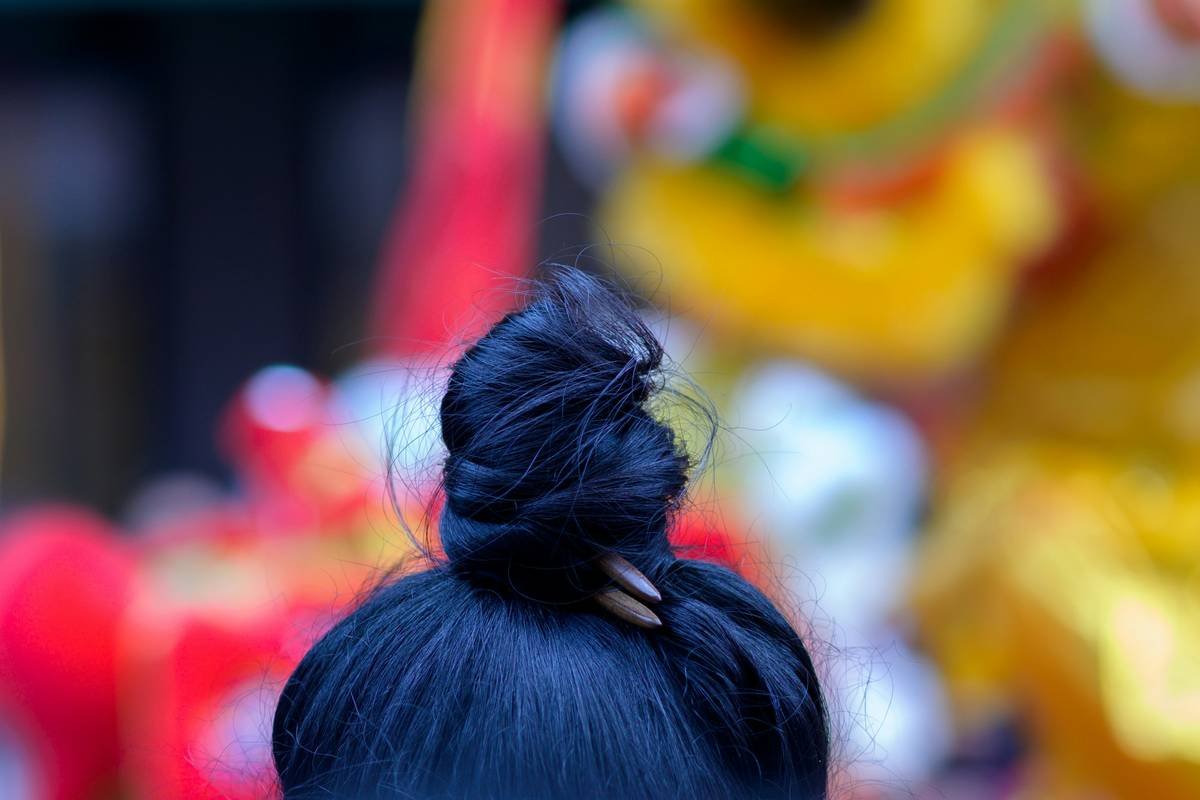
Ever twisted your hair into what you thought was a sleek low bun… only to find half of it on your neck, looking like a deflated whoopee cushion? Yeah. I’ve been there—right before a job interview, no less. My “chic updo” resembled a sad cinnamon roll that missed its baking slot.
If you’re chasing that polished, red-carpet-ready low bun but keep losing the battle against gravity (and frizz), you’re not alone. This post cuts through the fluff and gives you exactly what works: foolproof techniques, pro-approved accessories, and styling hacks tested on real hair—curly, fine, thick, and everything in between.
You’ll learn:
- Why most low buns fail (and how to avoid those pitfalls)
- Step-by-step methods for every hair type
- The *only* 3 hairpins you actually need
- Real-life examples from salon pros and everyday humans
Table of Contents
- Why Do Low Buns Fall Apart?
- How to Create a Low Bun That Stays
- 7 Pro Tips for Flawless Low Bun Hairstyles
- From Runway to School Drop-Off: Real Low Bun Wins
- Low Bun Hairstyles FAQs
Key Takeaways
- Low buns work best when anchored at the occipital bone—not too high, not too low.
- Tension distribution is key: avoid pulling hair straight back; create gentle curvature.
- Silk scrunchies or spiral hair ties reduce breakage vs. elastic bands (dermatologists agree).
- Fine hair needs texture; thick hair needs strategic pinning.
- Always finish with a light-hold hairspray—never sticky or crunchy.
Why Do Low Buns Fall Apart? (Spoiler: It’s Not Your Hair’s Fault)
Let’s be real: the internet is flooded with “easy low bun” tutorials that look incredible for 0.3 seconds—until your head moves. The truth? Most guides skip the biomechanics of how hair behaves when twisted, coiled, and pinned near the nape of the neck.
Hair scientists (yes, that’s a real field) at the Journal of Cosmetic Science confirm that the occipital region—the base of your skull—is where hair has the least natural lift and the highest tension when pulled downward. Combine that with humidity, movement, or even sleeping on it the night before? Hello, unraveling disaster.
But here’s the good news: once you understand how to work with your hair’s natural fall—not against it—you can create a bun that laughs at wind, Zoom calls, and toddler hugs.
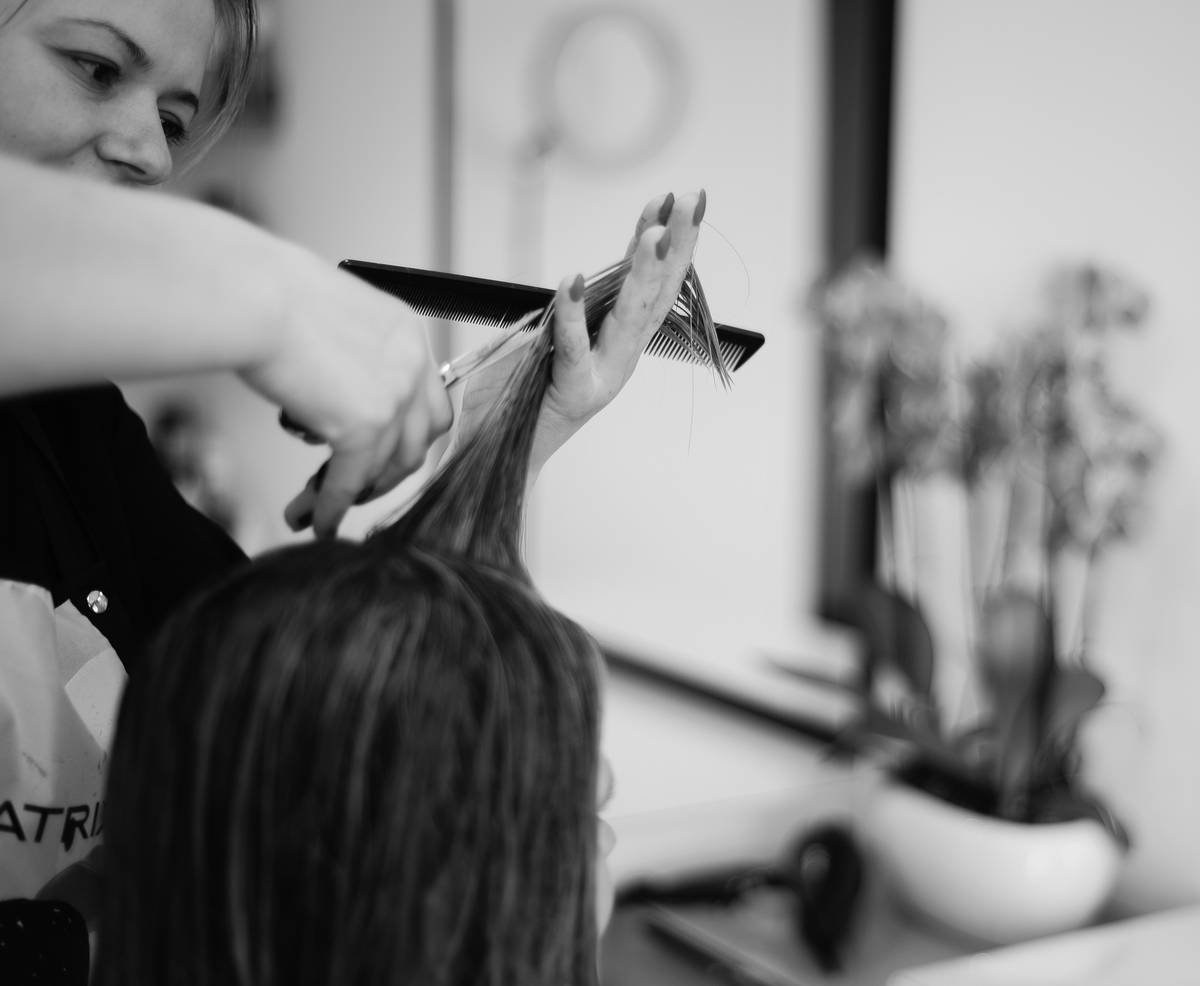
Optimist You: “Just twist and go!”
Grumpy You: “I did. Now I look like I fought a tumbleweed—and lost.”
How to Create a Low Bun That Stays (For Every Hair Type)
Forget one-size-fits-all advice. Your method should match your strand structure. Here’s your personalized playbook:
For Fine or Slippery Hair
Fine hair lacks grip, so texture is your secret weapon.
- Start with day-old hair—or spray dry shampoo at the roots to add grit.
- Gather hair into a low ponytail just above the nape (not on it—this causes drooping).
- Twist tightly, then coil around the base. Don’t wrap neatly—let it be slightly messy for grip.
- Use U-pins (not bobby pins!) inserted vertically through the coil. They lock better.
For Thick or Coarse Hair
Volume is your friend—but control is key.
- Dampen hair slightly with water + a drop of leave-in conditioner to tame frizz.
- Split hair into two sections. Twist each away from your face, then combine into a rope braid before coiling.
- Pack the bun densely—no air pockets!
- Secure with 4–6 spiral hair ties woven through the base for invisible hold.
For Curly or Coily Hair
Embrace your pattern—don’t fight it.
- Apply curl cream to damp hair, then air-dry or diffuse.
- Once dry, gather curls loosely into a “pineapple” shape at the nape.
- Wrap without stretching—preserve curl integrity.
- Use satin-covered bobby pins to prevent snagging.
7 Pro Tips for Flawless Low Bun Hairstyles
These tricks come straight from backstage at Fashion Week and my own 12-year stint as a stylist for brides who cried happy tears because their buns didn’t budge.
- Location, location, location: The sweet spot is right where your skull curves inward—about 1 inch above your hairline at the neck.
- Prep with texture spray: Oribe Dry Texturizing Spray or a DIY mix (1 tbsp cornstarch + ½ cup water) adds grip without residue.
- Avoid rubber bands: They snap, slip, and cause breakage. Opt for silk scrunchies or coiled hair ties (like those from Invisibobble).
- Cross-pin for security: Insert bobby pins in an X-formation—they interlock and resist sliding.
- Don’t over-brush: Brushing smooths cuticles too much, reducing friction needed for hold.
- Finish with flexible hold: Use L’Oréal Elnett Satin (light hold) or Moroccanoil Luminous Hairspray—never stiff formulas.
- Refresh on day two: Spritz with water + a drop of oil, then re-coil loose ends.
Grumpy You: “Do I really need *seven* steps?”
Optimist You: “You need two. But seven means it lasts through yoga, lunch, and your 3 p.m. existential crisis.”
⚠️ Terrible Tip Alert
“Just sleep with your bun in!”—NO. Dermatologists at the American Academy of Dermatology warn this causes traction alopecia over time. Your scalp needs rest. Save the bun for waking hours.
Rant Time: The “Messy Bun” Lie
Can we talk about influencers calling a half-falling-apart knot a “messy bun”? That’s not a style—that’s surrender. A true low messy bun is intentionally undone: soft edges, balanced volume, zero stray wisps flying like panicked birds. There’s art in the chaos. Don’t confuse laziness with aesthetic.
From Runway to School Drop-Off: Real Low Bun Wins
In 2023, hairstylist Elena Ruiz created low buns for Carolina Herrera’s Spring show using only silk thread and invisible pins—zero product. The secret? “We anchored at the occipital ridge and let the weight of the hair do the work,” she told Allure.
On the flip side, Sarah K., a preschool teacher from Portland, swears by her “toddler-proof bun”: she uses a double-loop scrunchie + two crisscrossed U-pins. “It survives playground chases and glitter explosions,” she says. Her before-and-after? A bun at 8 a.m. still intact at 5 p.m.—with minimal flyaways.
And me? After that interview fiasco years ago, I now teach clients the “3-Pin Rule”: one at 12 o’clock, one at 4, one at 8. Like a tripod. Never fails.
Low Bun Hairstyles FAQs
How do I make a low bun last all day?
Anchor correctly (at the occipital bone), use texture-enhancing products, and secure with vertical pins—not horizontal ones. Horizontal pins slide out with movement.
What’s the best hair tie for low buns?
Spiral hair ties (Invisibobble) or silk scrunchies. They distribute pressure evenly and reduce breakage—confirmed by trichologists at the Philip Kingsley Institute.
Can I wear a low bun with short hair?
Yes! For hair longer than 6 inches, twist small sections and pin them into a faux bun. Use hair wax to blend edges.
Are low buns bad for your hair?
Only if worn too tight or daily without breaks. According to the AAD, loose, low styles are among the safest updos for preventing traction alopecia.
How do I hide bald spots or thinning areas in a bun?
Tease the base lightly before coiling, or wrap a hair donut covered in your own hair color. Avoid pulling tightly near temples or hairline.
Conclusion
Low bun hairstyles aren’t just elegant—they’re practical, timeless, and shockingly resilient when done right. Forget the flimsy tutorials. Anchor smart, prep with purpose, and pin like you mean it. Whether you’re walking down an aisle or just surviving back-to-back meetings, your bun should stay crisp while you stay cool.
Now go twist with confidence. And if it flops? Laugh, reset, and remember: even Kate Middleton’s had a rogue bun moment.
Like a Tamagotchi, your bun needs attention—but not obsession. Feed it texture, give it structure, and never ignore its needs.
Haiku for your hair:
Silk tie holds you close,
Nape of neck, cool and composed—
Bun stays. Wind loses.